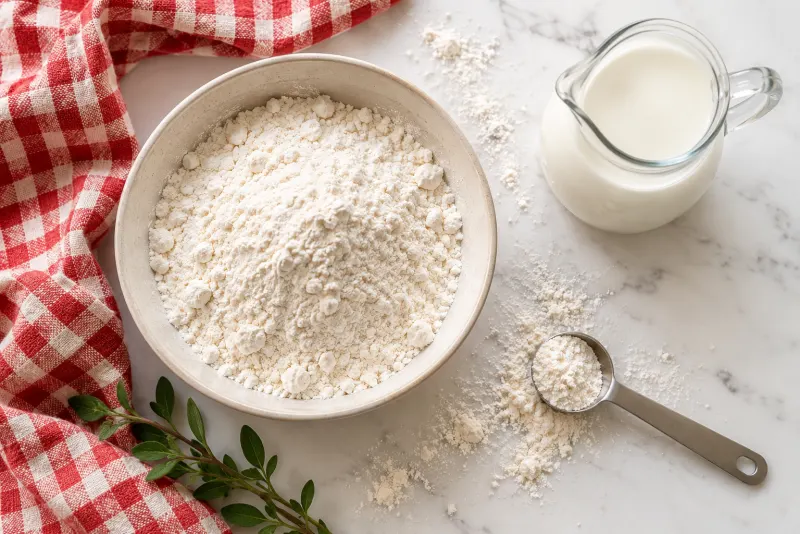
Read the ingredient line before measuring
A recipe may specify packed brown sugar, melted butter, chopped walnuts or sifted flour. Treat the preparation word as part of the ingredient. One reference for an ingredient cannot describe every way it might be prepared.
Keep the recipe author’s instructions alongside the converted amount. A converter can translate a stated quantity, but it cannot know an unstated filling method or identify the product sitting in your kitchen.
Use weight when the recipe provides it
Place an empty bowl on a suitable kitchen scale, zero the display, and add the amount in the recipe. Check that the scale is displaying grams or the intended weight unit before you begin.
If you are adding several ingredients to one bowl, pause between additions to confirm the number. A written ingredient list or simple checklist is useful when interrupted. Keep the original weight if you do not need a volume conversion.
Choose measuring tools that match the unit
A drinking mug is not a defined measuring cup. Use equipment labelled with the relevant volume and check whether its markings match the recipe’s country or measurement convention.
Spoon sizes also vary by system. The Australian tablespoon setting in this site is different from the metric tablespoon setting, even though both use a 250 ml cup. Select the complete system rather than changing only the cup.
Separate calculation from rounding
Calculate with the full reference value and round at the end. For a small amount, rounding to the nearest whole tablespoon may change the quantity more than you expect. Keep the decimal visible and use a scale when that is more practical.
A fraction offered for convenience should carry an approximation label. If a result does not line up with your equipment, return to the recipe’s gram amount rather than adding precision that your measuring tool cannot deliver.